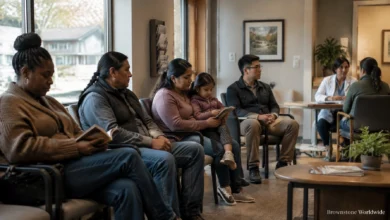
States pay Deloitte, others millions to comply with Trump law to cut Medicaid rolls

State governments are investing millions of dollars in contractors like Deloitte, Accenture, and Optum to comply with the One Big Beautiful Bill Act. This law aims to cut safety-net health and food benefits for millions of low-income Americans. These contractors are responsible for designing and operating computer systems that determine eligibility for programs like Medicaid and food stamps. However, these systems have a history of errors that have resulted in eligible individuals losing their benefits.
The benefits provided to the poorest Americans are crucial for their well-being, ensuring they have access to medical care and enough food to eat. With the new law, states are rushing to update their eligibility systems to align with President Donald Trump’s tax and spending legislation. These updates will add more red tape and restrictions to the process, potentially leading to coverage losses for many individuals.
The cost of implementing these changes is significant, with estimates showing that states will spend millions to save even more by removing people from health benefits. The Medicaid policies under the new law are projected to cause 7.5 million people to become uninsured by 2034, while roughly 2.4 million will lose access to food assistance. In five states alone, the estimated cost of these changes is at least $45.6 million combined.
Contractors like Deloitte, Accenture, and Optum are heavily involved in helping states make these changes. For example, Deloitte estimates that changes related to Medicaid work requirements in Wisconsin could cost nearly $6 million. Similarly, Iowa is expected to spend at least $20 million on changes to its Medicaid system to comply with the new law.
The One Big Beautiful Bill Act introduces significant changes, such as tying Medicaid coverage to employment for some adults and imposing restrictions that make it harder for low-income individuals to remain enrolled. The law also introduces hurdles for certain populations, like veterans and homeless people, by restricting their access to benefits.
Overall, the implementation of the One Big Beautiful Bill Act is a complex and costly process, with contractors playing a crucial role in helping states navigate these changes. While the goal is to streamline eligibility processes and reduce costs, the impact on individuals who rely on these safety-net programs remains a concern. It is essential for states to carefully consider the implications of these changes and ensure that they do not result in eligible individuals losing access to essential benefits.