Trump Imposes 15% Tariff on Key Chip and Solar Material to Boost Domestic Tech
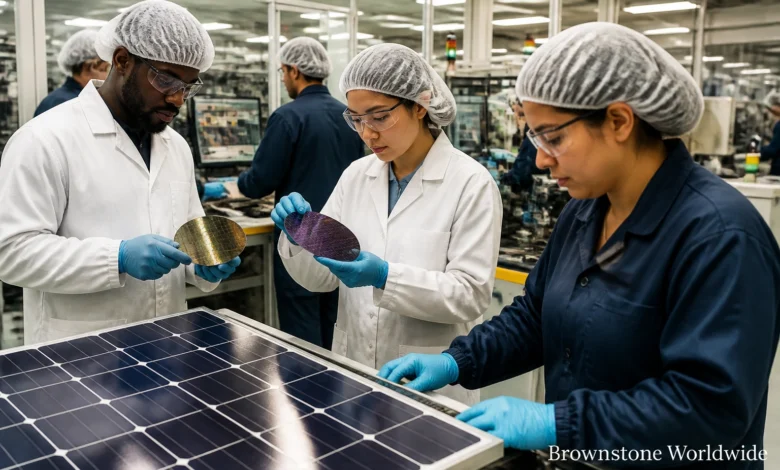
President Trump has officially ordered a new 15% tariff alongside strict minimum import prices on imported polysilicon products, targeting the critical raw materials used to manufacture semiconductors and solar panels. Set to take effect this December, the policy aims to curb heavy reliance on overseas supply chains: predominantly centered in China: and stimulate domestic tech and renewable energy manufacturing. This move arrives right alongside an ongoing legal challenge from a coalition of 25 states contesting the administration's broader Section 301 global tariffs.
For domestic industries, protecting local semiconductor production and green energy infrastructure is viewed as a vital step toward long-term national security and economic independence. However, critics and state attorneys general argue that stacking sector-specific duties on top of sweeping trade measures will ultimately squeeze businesses and drive up costs across the board.
For everyday consumers and local businesses, these layered trade adjustments could soon translate into higher price tags on electronics, computing hardware, and residential solar installations. As supply chains adapt to these shifting regulations, shoppers might notice ripple effects across retail markets, echoing recent discussions on economic policy and tariff refunds.
If you are planning a home solar upgrade, purchasing new tech hardware, or managing a small business inventory, now is the time to review your budget and stay informed on upcoming price fluctuations. Keeping a close eye on retail trends can help you navigate these transitions smoothly without unexpected surprises.
How do you view the balance between strengthening domestic manufacturing and managing consumer costs? Let us know your thoughts in the comments below.