US and Iran Trade Strikes for 13th Night : Oil Surges Past $100 as Hormuz Crisis Deepens
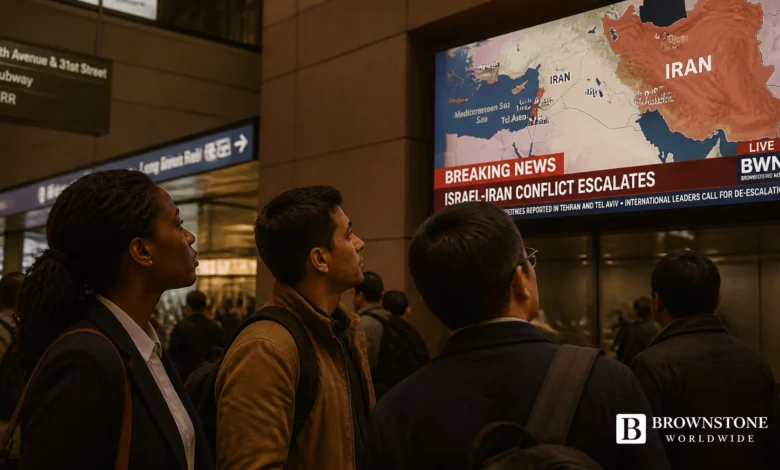
The global landscape reached a fever pitch this week as the United States completed its 13th consecutive night of strikes against Iranian military infrastructure. In a swift retaliation, Iran launched a wave of drone and missile attacks targeting U.S. facilities in Kuwait, Jordan, and Bahrain. This escalation has been further complicated by Houthi forces in the Red Sea, who have initiated a naval blockade and attacked Saudi tankers. Amidst this Middle Eastern turmoil, Ukraine also launched one of its largest drone strikes against Russian territory, signaling a simultaneous surge in global volatility.

These overlapping conflicts have sent shockwaves through the global economy, pushing oil prices past the $100-per-barrel mark for the first time in years. With the Strait of Hormuz effectively contested and the Red Sea corridor under threat, the "energy chokepoint" crisis is no longer a theoretical risk: it is a reality. President Trump has vowed "major military punishment" against Iran and its Houthi proxies, suggesting that the path toward de-escalation is currently out of sight.

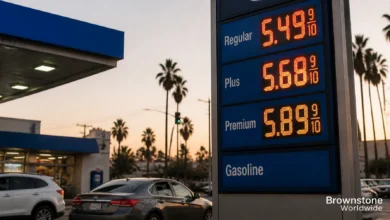
For those of us at home, these geopolitical tremors translate directly to higher costs at the gas pump and increased prices for everyday goods. As transportation costs rise, the ripple effect on inflation can strain household budgets, making it more difficult to navigate an already complex economic environment. The uncertainty surrounding international energy supplies means we must prepare for a period of sustained market fluctuation.

Staying informed is your best defense against the unexpected. You can track real-time updates and technology news on our platform to see how these events impact our local community. To help offset the rising cost of living, we encourage you to visit the Brownstone Marketplace and our daily deals section to find savings that can help your family during these tight times.
How are the rising energy costs affecting your daily commute or household planning? We want to hear from you as we navigate these global shifts together. Share your thoughts and join the conversation in The Neighborhood today.