US National Debt Hits $39.5 Trillion : 30-Year Treasury Yield Surges to 5.06%
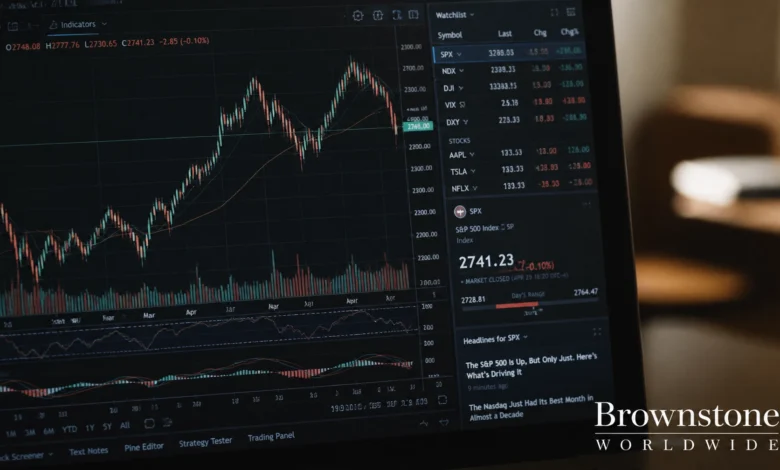
The U.S. national debt has officially surged to a staggering $39.5 trillion, marking a historic high that is reshaping the global financial landscape. At the same time, the 30-year Treasury yield has spiked to 5.06%, a level not seen since 2007. According to recent market reports, this fiscal pressure is being felt across every sector. Major "Bitcoin whales" have recently accumulated 66,700 BTC, signaling a massive institutional hedge against currency instability. Meanwhile, five U.S. tech giants are currently navigating an estimated $1.65 trillion in "hidden" AI-related debt tied to infrastructure commitments. In response to these global shifts, international insurers are pledging more equity investments to stabilize their long-term portfolios.

This surge in yields and debt matters because it fundamentally changes how money moves throughout our economy. When the government pays more to borrow, it sets a higher "floor" for interest rates everywhere else, affecting everything from your mortgage to small business loans. The discovery of "invisible debt" in the tech sector suggests that even the world's most powerful companies are more leveraged than they appear on traditional balance sheets, creating a ripple effect of risk.

For the average household, this means that the "easy money" era is firmly in the rearview mirror. Higher yields often lead to persistent inflation and tighter credit conditions. It is a stark reminder that while national news headlines may seem distant, they directly impact your daily purchasing power and the long-term cost of living.

As a proactive neighbor, now is the time to review your own financial resilience. Staying informed through our latest tech updates and community resources is the best way to navigate these shifts. Consider looking at your diversification strategy and keeping a close eye on market trends as they develop.
What is your take on the rising national debt hitting these new records? Are you adjusting your own strategies in light of these 2007-era yields? Join the conversation in The Neighborhood and let's discuss how we can support each other through these changing economic tides.