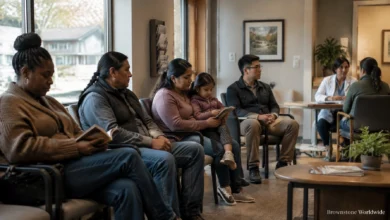
What A CMS Fraud Chief Learned By Caring For Her Parents In Hospice

The hospice industry is facing a crisis of fraud and abuse, with criminal networks taking advantage of vulnerable patients and taxpayers. Former federal official Dara Corrigan experienced this firsthand when she had to place both of her parents into hospice care. Despite her years of experience combating fraud in Medicare, she found herself on the other side of the system, seeing the flaws and vulnerabilities up close.
In California, a major crackdown on hospice fraud revealed a sophisticated scheme involving ‘ghost’ agencies stealing millions from the Medicare program. The use of stolen Medicare Beneficiary Identifiers (MBIs) allows criminals to set up shell companies and bill for services that are never provided. This not only defrauds the government but also puts patients at risk by interfering with their access to necessary medical care.
Government watchdogs have been criticized for their slow response to these issues, with billions of dollars in hospice fraud going unchecked in Los Angeles County alone. While law enforcement crackdowns can make headlines, Corrigan believes that a more sustainable solution lies in addressing structural flaws in the system. Implementing policies like certificates of need, moratoria on new hospice enrollment, and proactive verification of beneficiaries can help prevent fraud before it happens.
One key issue that Corrigan highlights is the outdated law governing hospice care, which was designed for cancer patients with predictable declines. Today, most hospice patients have neurodegenerative conditions with long, unpredictable trajectories. Corrigan advocates for updating the law to allow for longer hospice stays, providing patients and families with more time to benefit from the comfort and support that hospice care offers.
In addition to policy changes, Corrigan proposes a new federal palliative care benefit that is tailored to the needs of patients with neurodegenerative conditions. By requiring certifications from licensed medical professionals, this new model would prioritize legitimate medical practices and reduce the risk of fraud. This approach would not only protect vulnerable patients but also help restore trust in the hospice industry as a whole.
As the Well Beings campaign continues to raise awareness and reduce stigma around mental health and wellbeing, it is crucial to address the systemic issues in the hospice industry. By implementing proactive policies and updating outdated laws, we can ensure that patients receive the care and dignity they deserve in their final days.