Why Building Real Loyalty Will Change the Way You Lead Your Team
I sat on my porch this morning, coffee in hand, watching the neighborhood wake up. There’s a stillness at 5:00 AM that most people miss because they’re busy chasing the dream in their sleep. But for those of us who carry the weight of a company, that stillness is where the real work happens.
I was thinking about a conversation I had yesterday with a founder who’s struggling. He’s got the talent. He’s got the funding. He’s got a product that actually works. But his team? They’re checking out the moment the clock hits 5:00 PM. They do exactly what they’re told: nothing more, nothing less.
He asked me, "JR, how do I get them to care as much as I do?"
I looked him in the eye and told him the hard truth: "You’re asking for loyalty, but you’ve only been paying for compliance."
That hit him like a ton of bricks. And it’s the same realization that changed everything for me.
The Compliance Trap
Most leaders are actually just high-level managers of compliance. You set a goal, you give a deadline, and you pay a salary. If the work gets done, you think you’re winning.
But compliance is fragile.
Compliance stays only as long as the paycheck is the best offer on the table. Compliance follows the rules, but it doesn't solve the problems you don't see. When the pressure mounts and the "noise" of the industry gets loud, a compliant team will look for the exits.
Loyalty? Loyalty is different. Loyalty is the team member who sees a mistake at 8:00 PM and fixes it before you even know it exists: not because they’re afraid of you, but because they’re committed to the mission.
Building real loyalty isn't about being "nice." It’s about a fundamental shift in how you see yourself as a leader. It’s about moving from the person who gives orders to the person who builds a culture that people are proud to belong to.
The Day the Wheels Came Off
I remember a season in my own career when things weren't going so well. We had a major project go sideways. Clients were screaming. The "invisible battles" I talk about were becoming very visible, very fast.
I was stressed. I was short-tempered. I was leading from a place of fear.
I expected my team to double down because "that’s their job." But instead, they started distancing themselves. Why? Because I hadn't built a foundation of trust. I was treating them like parts in a machine, and when the machine started smoking, they didn't want to get burned.
It was a wake-up call. I realized that if I wanted them to have my back in the storm, I had to show them I had theirs when the sun was shining.
I had to change. And that change started with how I viewed loyalty.
Loyalty is a Two-Way Street (And You Have to Drive First)
You cannot demand loyalty. You can only inspire it.
If you want a team that’s loyal to you, you have to be the most loyal person in the room. This means loyalty to their growth, loyalty to their well-being, and loyalty to the truth.
When you start building real loyalty, your leadership moves from control to trust.
Think about it. If you trust your team and they are loyal to the vision, you don't have to micromanage the small stuff. You can stop being the bottleneck. You can finally step into the role of the visionary because you’re not spending your morning checking if everyone logged in on time.
Shifting from Task Management to People Development
One of the biggest shifts I made was realizing that my team isn't a "resource" to get a job done. They are humans with dreams, fears, and bills to pay.
When you lead for loyalty, you become a coach.
I started asking my team: "Where do you want to be in three years?" and "How can this role help you get there?"
When people see that you are invested in their personal success: even if that success eventually leads them away from your company: they will give you a level of commitment that money can't buy. They know you have their best interests at heart. That creates a bond that is incredibly hard to break.
The Power of Radical Transparency
We talk a lot at ByrOlogy about "clear language for hard seasons."
Loyalty thrives in the light and dies in the dark. If you’re hiding the truth about the company’s challenges because you’re afraid people will leave, you’re actually ensuring they’ll leave the moment they smell smoke.
I found that being honest about the "why" behind hard decisions changed everything.
Instead of saying "We’re changing the strategy," I started saying "Here’s the problem we’re facing, here’s why the old way isn't working, and here’s how we’re going to fix it together."
People don't want a perfect leader. They want a real one. They want someone they can trust to tell them the truth, even when the truth is uncomfortable.
Recognition Beyond the Paycheck
We all like to get paid. But a paycheck is a transaction. Loyalty is an emotional connection.
If the only time your team hears from you is when something goes wrong, you are eroding loyalty every single day.
I made it a point to "catch people doing something right." And I’m not talking about generic "good job" emails. I’m talking about specific, public recognition of the work that often goes unnoticed.
When you recognize the effort, the discipline, and the "unseen moves" your team makes, you’re telling them: "I see you. I value you. You belong here."
That sense of belonging is the ultimate loyalty builder.
Leading with Peace and Boundaries
You might think that building loyalty means being available 24/7 and letting your team walk all over you. It’s actually the opposite.
Real leaders: the ones who come home intact: set boundaries.
When you lead with discipline and peace, you create a stable environment. A chaotic leader creates a chaotic team. If you are constantly stressed, reactive, and moving without purpose, your team will never feel safe.
Loyalty requires safety.
By setting clear expectations and maintaining your own discipline, you provide the framework your team needs to thrive. You become the steady hand they can rely on.
One Move for You Today
If you’re reading this and you feel like you’re losing the day to noise, or if you feel like your team is drifting, I want you to make one move today.
Don't send another memo. Don't call another status meeting.
Instead, find one person on your team and have a real conversation with them. Not about a task. Not about a deadline.
Ask them: "What’s one thing I can do to better support your growth this month?"
Then, listen. Don't defend. Don't explain. Just listen.
That one conversation is the first brick in the wall of real loyalty. It’s the move that says you’re ready to lead differently.
Building loyalty isn't a quick fix. It’s a daily discipline. But it is the only way to build a company that survives the pressure and a team that moves on purpose.
Get clear. Move on purpose. And let's get to work.
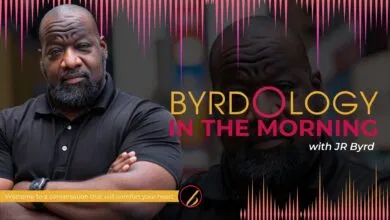
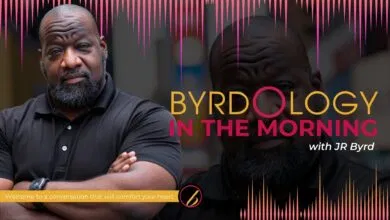
*J. Richard Byrd \ www.jrichardbyrd.com \ is a business development mentor, media strategist, and CEO of The ByrdOlogy Group. ByrdOlogy In the Morning is a 4‑minute daily leadership devotional available on YouTube, Spotify, and all major podcast platforms. \ www.BLKHustle.com/byrdologyinthemorning *
{“@type”:”BlogPosting”,”image”:”https://cdn.marblism.com/w178xT3iV6q.webp”,”author”:{“url”:”https://www.jrichardbyrd.com”,”name”:”J. Richard Byrd”,”@type”:”Person”},”@context”:”https://schema.org”,”headline”:”Why Building Real Loyalty Will Change the Way You Lead Your Team”,”publisher”:{“logo”:{“url”:”https://cdn.marblism.com/kdojvAL689n.png”,”@type”:”ImageObject”},”name”:”ByrOlogy in The Morning”,”@type”:”Organization”},”description”:”Leadership expert J. Richard Byrd explores why shifting from compliance to real team loyalty is the key to sustainable growth and effective leadership.”,”datePublished”:”2026-06-14″,”mainEntityOfPage”:{“@id”:”https://www.brownstoneworldwide.com/category/foundercircle/byrdology/”,”@type”:”WebPage”}}