Chair nominee Kevin Warsh says Fed must ‘stay in its lane’ to maintain independence
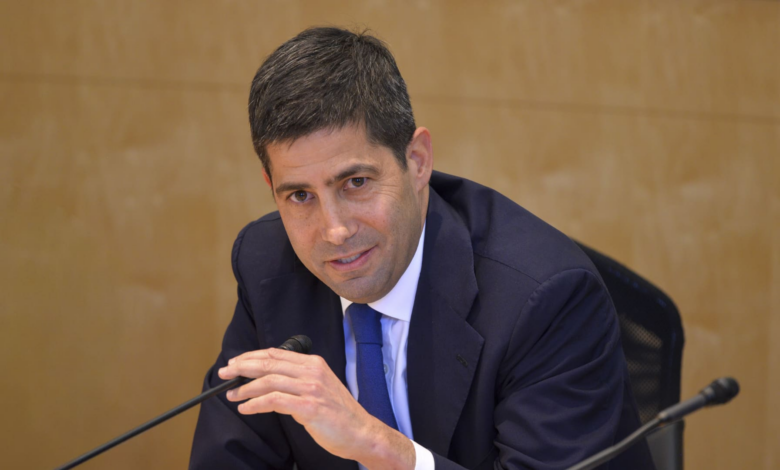
Federal Reserve chair nominee Kevin Warsh emphasized the importance of the central bank’s independence from political influence while also highlighting the need for a focus on its primary goals. In his address to the Senate Banking Committee, Warsh reaffirmed his commitment to combatting inflation, with only a brief mention of the labor market.
Warsh reiterated his belief that the Fed should refrain from delving into areas beyond its purview, such as climate change and social inequality. He stressed the importance of the Fed staying within its mandate to maintain its credibility and independence. President Donald Trump announced Warsh as his choice to succeed current Chair Jerome Powell, sparking concerns about potential pressure from the administration to lower interest rates.
Despite advocating for the Fed’s independence, Warsh acknowledged that elected officials voicing their opinions on interest rates does not necessarily threaten the operational independence of monetary policy. However, he noted that the Fed may not have the same level of independence in other areas, such as managing public funds, especially in light of an ongoing investigation into the Fed’s headquarters renovation project.
While Powell’s term is set to expire in May, complications arise from the investigation into the renovation project, with Senator Thom Tillis vowing to block Warsh’s nomination until the matter is resolved. Nevertheless, the White House remains optimistic about Warsh’s confirmation, citing his qualifications and experience.
President Trump’s history of pressuring the Fed to lower interest rates and his criticisms of Powell have raised concerns about the central bank’s independence. Additionally, the pending Supreme Court decision on the removal of Governor Lisa Cook adds a layer of uncertainty to the Fed’s leadership.
In conclusion, Warsh’s nomination and the broader debate around Fed independence underscore the delicate balance between political influence and the central bank’s mandate. As the confirmation process unfolds, the focus remains on restoring confidence in the Fed’s decision-making and maintaining its credibility in the face of external pressures.