Trump Orders Frozen Iranian Assets Used to Fund War Damages as New Tariffs Hit 60 Nations
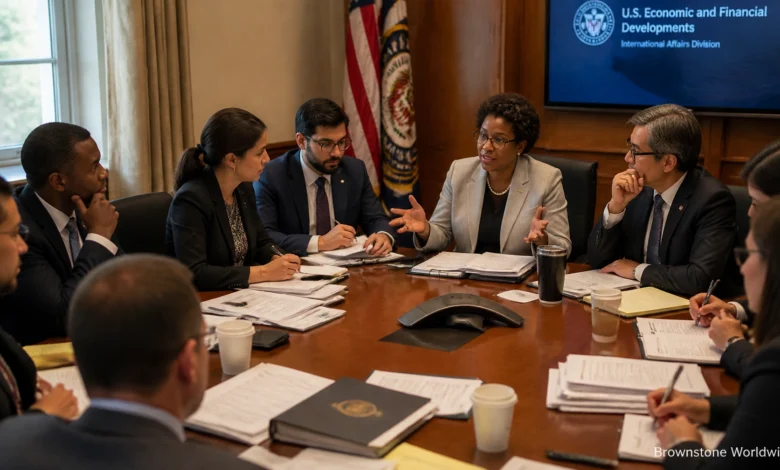
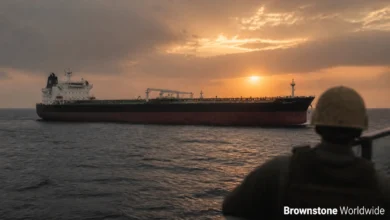
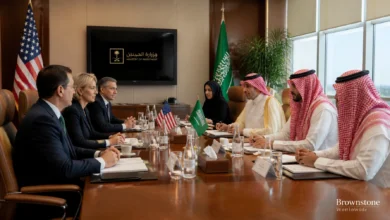
President Trump has taken a bold new stance on international accountability, announcing that the United States will now use frozen Iranian assets to pay for damages to ships and cargo in the Gulf. This directive comes alongside a major trade shake-up: the administration is implementing new tariffs ranging from 10% to 12.5% on 60 trading partners, specifically targeting concerns over forced labor. In a surprising turn for media relations, the Department of Justice also agreed to withdraw subpoenas targeting New York Times journalists involved in a long-standing leak investigation.
These moves signal a significant pivot in both foreign and domestic policy. By tapping into roughly $100 billion in frozen funds, the administration is effectively making foreign adversaries foot the bill for regional instability. Meanwhile, the aggressive new tariffs reflect a hardening line on global labor standards. For the press, the DOJ's withdrawal of subpoenas marks a rare moment of de-escalation between the government and major news organizations, potentially protecting investigative journalism for the foreseeable future.

For those of us at home, these shifts could have a tangible impact on our wallets. While the redirection of Iranian assets may stabilize shipping insurance, the new tariffs on 60 nations could lead to higher prices on everyday imported goods. As markets remain on edge, it is more important than ever to stay informed about how these global tensions: especially the ongoing friction with Iran: filter down to our local neighborhoods.

Take a moment to review your upcoming household purchases and see if any are sourced from the affected regions. You might also want to explore our Brownstone Marketplace for daily deals that can help offset potential price hikes at the register. Keeping your budget flexible is the best way to navigate these changing economic tides.

How do you feel about the government using foreign assets to cover commercial damages? Do you think the new tariffs are a necessary step for ethical trade, or are you more concerned about rising costs? We’d love to hear your thoughts in the comments below.