Fecal Transplant Capsules Show Promise in Restoring Peanut Allergy Tolerance, Study Finds
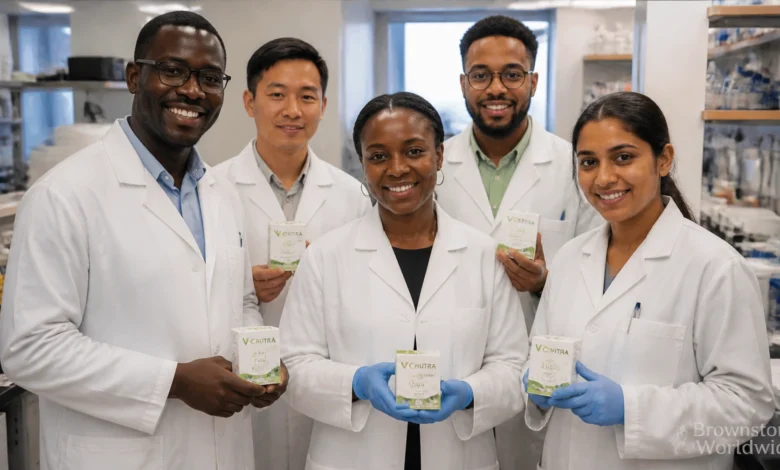
Researchers at Boston Children’s Hospital have released encouraging phase 1 findings showing that oral fecal microbiome transplant (FMT) capsules can safely increase tolerance in individuals with severe peanut allergies. By utilizing rigorously screened donor stool encapsulated into easy-to-swallow pills, the experimental treatment aims to alter the recipient's gut bacteria and improve immune response.
Unlike standard oral immunotherapy, where protective benefits often fade quickly after patients stop taking daily doses, microbiome-focused therapies offer a glimpse into long-lasting physiological changes. For the millions of families living with the constant anxiety of accidental trace exposures, shifting the body's baseline reactivity through targeted gut health represents a significant leap forward in pediatric and adult immunology.
While these findings are still in early-stage clinical trials and tested exclusively on a small cohort of adults, they pave the way for more refined treatments: such as purified microbial transplantation therapy currently being studied in teens. It signals a future where food allergies might be managed not just through strict avoidance, but by reinforcing our body's internal defenses.
If you or a loved one navigate severe food allergies daily, it is wise to stay informed as phase 2 trials expand, and always consult a board-certified allergist before considering any experimental therapies.
How has your household approached managing food allergies and gut health? Have you followed recent developments in microbiome research? Join the conversation below!