Strait of Hormuz Stays Closed Despite Oman Route : What It Means for Global Trade
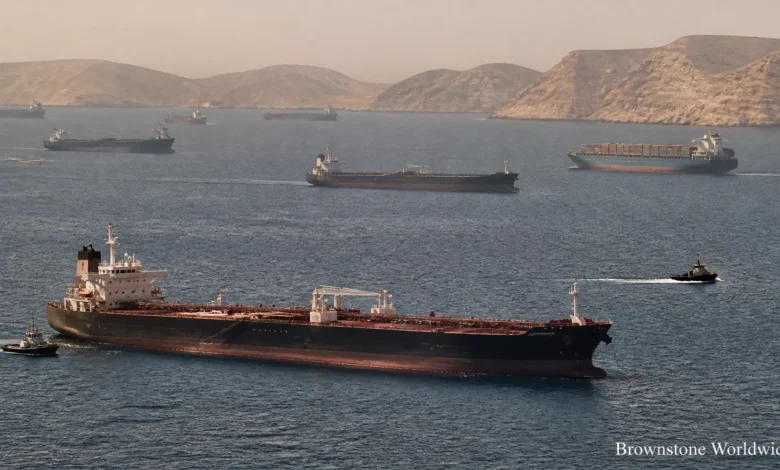
Iran says the Strait of Hormuz remains closed to normal commercial shipping, despite progress on a temporary route with Oman. The proposed corridor would divide traffic between Iranian and Omani waters, but Tehran says the arrangement does not represent a full reopening.
According to Al Jazeera, Iranian officials have linked any broader reopening to the removal of the U.S. naval blockade, sanctions relief, and other demands. Gulf News reports that the Oman-linked corridor would be temporary, closely controlled, and intended for commercial vessels: not military ships.

The stakes are global. Hormuz is a critical energy chokepoint that normally carries a significant share of the world’s seaborne oil and liquefied natural gas. With traffic at a fraction of typical levels, traders, insurers, and shipping companies are treating the waterway as functionally closed: even if limited movements continue.
The diplomatic signals remain mixed. Reports cited by CNBC describe a possible reciprocal framework in which Washington could lift sanctions and end its blockade if Iran restores commercial access. At the same time, the United States is tightening secondary sanctions on companies and countries doing business with Iran, adding another layer of risk for carriers and energy buyers.

For households, the immediate concern is volatility. Prolonged disruption can raise fuel, transportation, and shipping costs, while rerouting and ship-to-ship transfers may help cushion: but not eliminate: supply pressures.

The next meaningful development will be more than a map of new lanes. Businesses will be watching for verified vessel movement, insurance coverage, and a broader U.S.–Iran agreement that addresses sanctions and the blockade.
What changes would your household or business feel first if energy and shipping costs rise again?