US Completes Final Troop Withdrawal From Iraq as Iran War Talks Shift to Qatar

The United States completed the withdrawal of its final military forces from Iraq on September 30, ending more than two decades of American military presence in the country, according to Reuters and NPR.
The departure closes the latest chapter of the U.S.-led mission against Islamic State, but it also creates new uncertainty. Analysts warn that Iran-backed militias and Islamic State remnants could find more room to operate as American forces leave. Iraq has described the withdrawal as a sovereignty milestone while facing the challenge of maintaining security without a U.S. combat presence.

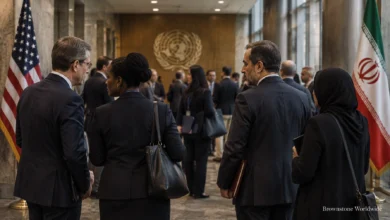
The move comes as diplomacy over the war with Iran remains unsettled. President Donald Trump said the conflict “will end very soon,” without explaining what that would require, and denied reports that he had offered Tehran sanctions relief. Qatari mediators are carrying messages between Washington and Tehran, while Iranian Foreign Minister Abbas Araghchi reviews U.S. feedback on a proposed ceasefire plan.
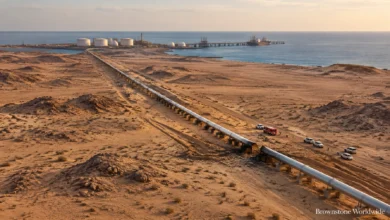
The central disagreement is sequencing: Iran wants U.S. concessions, including relief connected to sanctions and the naval blockade, before fully reopening the Strait of Hormuz. Trump has publicly rejected the proposal. Iran’s military says the war will end only when the United States admits defeat and has called on Americans to protest against the president. CBS News reports that the waterway’s uncertain status continues to affect shipping and oil markets.

For Americans, the consequences may appear first through fuel prices, shipping costs, market volatility and renewed concern about regional escalation. The Strait of Hormuz carries a significant share of global energy shipments, making every diplomatic development economically important.
The broader picture is tense. Yonhap reports that North Korea denied responsibility for a DMZ landmine blast and warned South Korea of retaliation. Russia also intensified missile and drone strikes on Kyiv as NATO condemned nuclear rhetoric, adding to a crowded global security agenda.
Follow Brownstone Worldwide for continuing international coverage. What should receive the closest attention next: Iraq’s security transition, the Qatar talks or the future of the Strait of Hormuz?