Supreme Court Lets Third-Country Deportations Resume as Midterm Fight Escalates
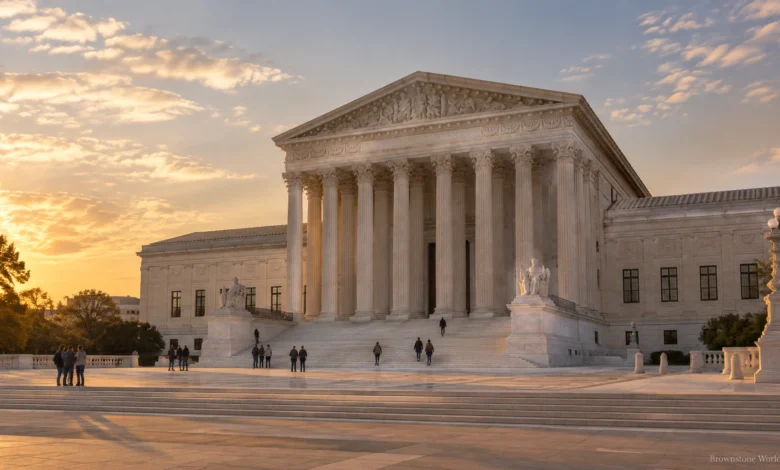
The Supreme Court has allowed the Trump administration to resume third-country deportations “for now,” putting a lower-court pause on hold while the legal fight continues. The policy permits the government to send migrants to countries not listed in their removal orders, including nations where they may have no prior connection.
The unsigned emergency order does not resolve the case. The justices are expected to hear arguments in December. Three liberal justices (Sonia Sotomayor, Ketanji Brown Jackson and Elena Kagan) said they would have rejected the administration’s request, according to Al Jazeera.

The dispute centers on due process. U.S. District Judge Brian Murphy had ruled that migrants must receive a meaningful opportunity to explain why removal to a proposed third country could expose them to persecution, torture or other serious harm. Immigrant-rights advocates say resuming removals before that question is fully decided could put vulnerable people at risk. The administration argues third-country agreements are an important enforcement tool when a person’s country of origin will not accept them.
For people already in the United States, the ruling may mean faster removals and less time to challenge the safety of a destination. It also highlights a practical question: whether federal agencies have enough personnel, detention space and international agreements to carry out an expanded policy while courts continue reviewing it.

The decision arrives as immigration becomes a closing argument for both parties in the weeks before the November 3 midterms. State-level fights over cooperation with federal immigration authorities, detention policies and public-safety resources are likely to intensify.
Today’s other national developments add to the high-stakes backdrop. The United States completed its final troop withdrawal from Iraq, ending more than two decades of military presence, according to NPR and Reuters. The Senate also blocked a resolution seeking a State Department report on Americans killed in the West Bank, Al Jazeera reported.
Neighbors can follow court filings, compare official statements with independent reporting, and learn how local agencies respond to federal directives. Brownstone Worldwide will continue tracking the legal process, policy changes and their effects on families and communities. What questions should lawmakers answer before the December arguments?
Sources: Supreme Court order · NPR immigration coverage · Brownstone Worldwide