

Chiricahua Becomes a National Park, Bringing New Attention to Arizona’s Wonderland of Rocks
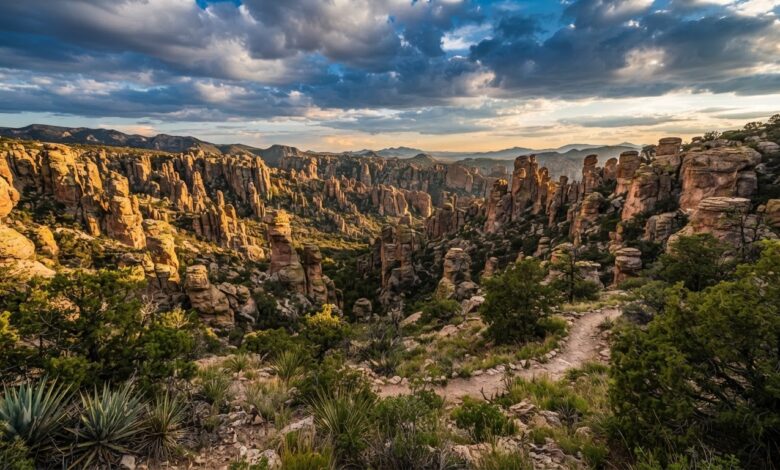
ARIZONA — October 31, 2026. A remarkable landscape of volcanic spires in southeastern Arizona now carries the name Chiricahua National Park. The National Park Service announced the redesignation in October, giving a new national-park title to a place that has been federally protected as a national monument since 1924.
What makes Chiricahua distinctive?
The park near Willcox is known for its towering rhyolite rock formations, balanced boulders, narrow canyons and diverse plant life. According to the National Park Service’s October 20 announcement, the protected landscape covers roughly 12,000 acres. It offers hiking, camping, scenic drives, birdwatching and stargazing.
NASA’s October 28 Earth Observatory feature explains that powerful volcanic eruptions about 27 million years ago deposited ash and other material across the region. Erosion later carved that rock into the dramatic columns and canyons visitors see today.
More than a scenic designation
Chiricahua lies within the traditional homeland of the Chiricahua Apache. The area also preserves history associated with early homesteading families and Faraway Ranch. The park’s significance therefore extends beyond geology to Indigenous history, cultural heritage and conservation.
The name change does not mean the land was previously unprotected. It has been managed within the National Park System for decades. The park’s official FAQ explains that the redesignation is primarily a change in name and recognition, with the existing management framework continuing.
What visitors should know
People planning a trip should use the official park website for current trail conditions, operating information and access updates. A new designation may bring additional public interest, but visitors should not assume that all facilities or services have expanded.
What it means
Chiricahua’s new status gives broader recognition to an unusual American landscape and its cultural history. For travelers, the practical takeaway is an opportunity to explore the region with an understanding of both its natural features and the communities connected to it.
Sources: NPS news release, October 20; NASA Earth Observatory, October 28; NPS park FAQ.