

September Consumer Spending Rose 0.5%, but Inflation Still Pressured Household Budgets
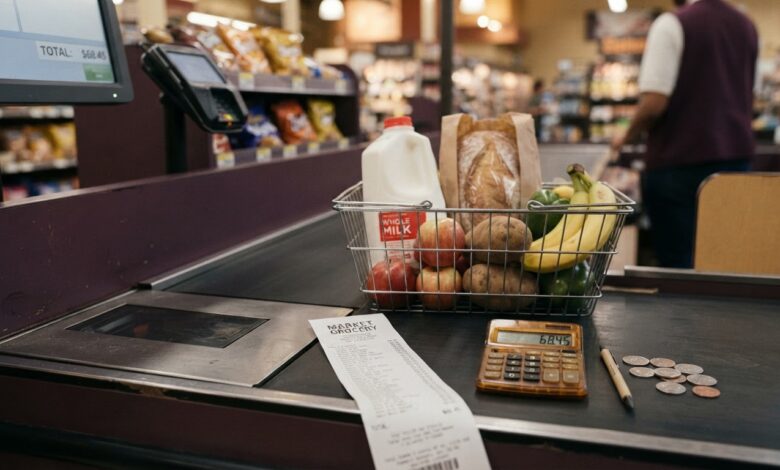
WASHINGTON — October 31, 2026. Americans spent more in September, but rising prices continued to affect how far household dollars went. The Bureau of Economic Analysis reported on October 29 that personal consumption expenditures increased 0.5% in September 2026 from the previous month, while personal income rose 0.2%.
Spending climbed faster than income
The official BEA release estimates that spending increased by $113.1 billion in current dollars. Of that, $78.1 billion came from services and $35.1 billion from goods. Personal income rose by $54.5 billion, and disposable income after personal current taxes rose by $52.7 billion.
Those figures are national aggregates, not the typical monthly change for every household. They also use current dollars: higher prices can increase the dollar amount spent even if shoppers buy little more.
Inflation remains part of the picture
BEA’s personal consumption expenditures, or PCE, price index rose 0.5% in September and 3.6% over the previous 12 months. The index excluding food and energy rose 0.3% for the month and 3.1% from a year earlier. This PCE index is one of the key inflation gauges followed by the Federal Reserve; it is not identical to the Consumer Price Index.
After adjusting for price changes, real consumer spending was essentially flat, increasing by less than 0.1% for the month. Real disposable personal income fell 0.3%. That contrast helps explain why higher nominal spending does not necessarily mean households enjoyed a large increase in purchasing power.
What happened to savings?
The personal saving rate was 3.8% in September, and BEA estimated personal saving at $911.1 billion at an annualized rate. The saving rate is an economy-wide measure of income not spent on consumption or certain other outlays, not a recommendation for how much any one person should save.
What it means for the Neighborhood
The latest figures show continued spending alongside persistent inflation pressure. A practical response is to compare recurring bills, plan for irregular expenses and track the cost of essentials rather than assuming a national growth statistic reflects the family budget. BEA’s next monthly personal income and outlays release is scheduled for November 25, 2026, when the agency will provide October estimates.
Sources: BEA: September 2026 Personal Income and Outlays (October 29); BEA: Consumer Spending Data.