
Trump Signals Openness to AI Guardrails but Leaves Key Regulatory Questions Unanswered

Brownstone Worldwide | November 9, 2026 | POLITICS & POLICY
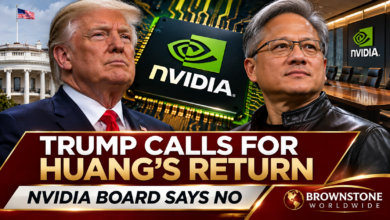
President Donald Trump says artificial-intelligence risks can be managed and has signaled that he would consider safeguards, a notable statement amid a national debate over how to regulate rapidly expanding AI systems without slowing American competition with China.
What the president said
In comments reported by Reuters on November 9 from a CBS 60 Minutes interview, Trump said he did not object to guardrails and indicated he might work with Democrats on protections. He simultaneously cautioned against regulations that could put the United States behind China in AI development.
What has not happened
These comments are not a signed executive order, enacted legislation or a detailed regulatory plan. No specific requirements for independent safety testing, data privacy, copyright, energy use, transparency or accountability were outlined in the reported remarks. Lawmakers and agencies would need to define the obligations, enforcement powers and scope of any future framework.
The competing policy concerns
Advocates of stronger safeguards argue that consumers need protection from fraud, discriminatory automated decisions, privacy violations and unsafe high-impact deployments. Industry voices warn that fragmented or overly burdensome requirements could increase costs for smaller developers and reduce investment. These concerns can coexist: the central policy question is which measurable risks justify which enforceable rules.
Why it matters to creators and small businesses
Brownstone’s creator community increasingly relies on AI for editing, captions, customer service and research. Rules about disclosure, training data, likeness rights and consumer claims could change how those tools are deployed. For now, creators should maintain human review, respect intellectual-property rights and avoid presenting synthetic material as verified reporting.
What we are watching
Whether the administration releases a formal proposal; whether the new Congress drafts bipartisan legislation; and whether federal rules would preempt state laws. Until text exists, assertions that a specific regulation has passed would be premature.
Source: Reuters, November 9, 2026.