
Brownstone Worldwide | November 9, 2026 | MONEY & BUSINESS
Global stocks opened the week on firmer footing as technology shares recovered some ground from last week’s sharp declines. The rebound does not erase the questions that rattled investors: how much companies must spend on artificial intelligence, whether that investment will pay off and how higher borrowing costs could affect the economy.
Monday’s market picture
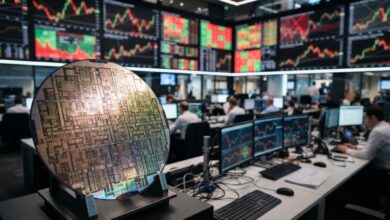
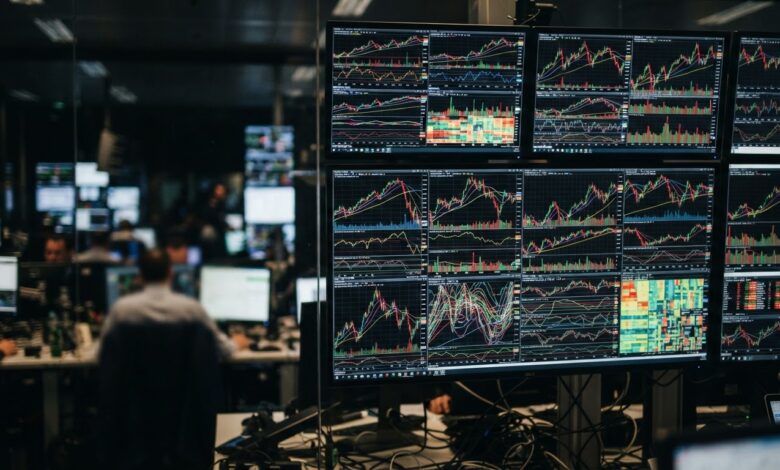
The Associated Press reported November 9 that Taiwan’s Taiex rose approximately 4.9% and Tokyo’s Nikkei gained about 2.3%. European shares and U.S. stock futures also advanced, while Asian markets were mixed. These are market snapshots, not predictions of where U.S. indexes will close.
The S&P 500 had lost about 2.7% the previous week, its worst weekly showing since April 2025, according to AP. Stronger AI-related shares helped Friday’s partial recovery, but concern remains about electricity demand, data-center construction and valuations.
Why investors are reconsidering AI
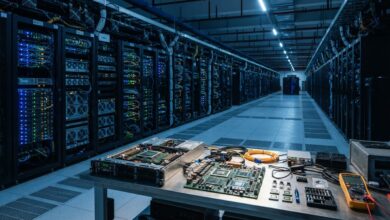
Technology companies are spending heavily on chips, buildings, cooling systems and power infrastructure. Investors are asking when those capital costs will translate into sustained earnings. Political scrutiny of data-center power use and the price of electricity adds uncertainty to long-term projects.
Other signals this week
Employment, inflation and interest-rate expectations also influence markets. A stronger economy can support company sales, but persistent inflation may keep financing costs elevated. Currency and oil-price movements can complicate the picture for importers, transportation businesses and households.
What it means for the neighbors
A single rally does not establish a new upward trend. Retirement savers should avoid treating one trading session as a reason for sudden portfolio changes. Small-business owners may find it more useful to watch loan rates, vendor pricing and energy costs than daily index headlines.
Sources: Associated Press, November 9, 2026; Reuters currency-market report, November 9, 2026.