
The Neighborhood Version of Black Friday
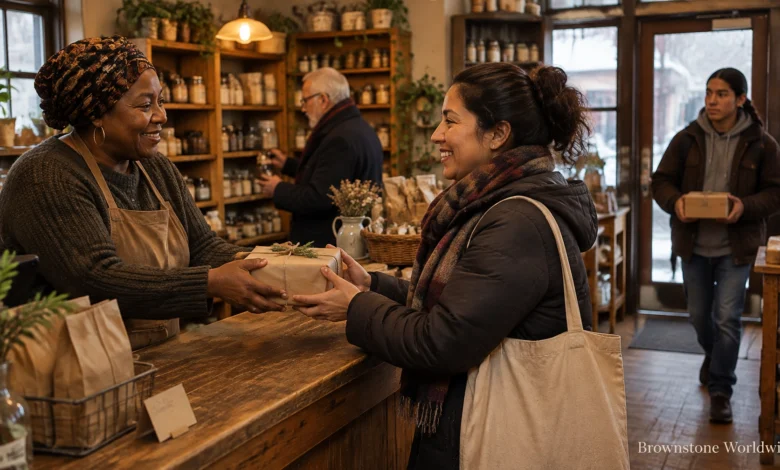
The warehouse does not need your Saturday. The shop four blocks over does, and the difference between the two is not sentiment. It is arithmetic that stays in the neighborhood.
A locally owned shop keeps a much larger share of what it takes in than a chain branch does, and that money tends to recirculate where it was spent: the person who owns it hires a neighbor, buys from another local supplier, sponsors a team, donates to the school raffle. None of that shows up in a price tag. All of it shows up in a town over a few years.
The Saturday after the big sale days exists precisely for this, and it works best when customers arrive with a purpose rather than a browse. A few things help. Go in knowing roughly what you need, the way you would at the warehouse. Buy the gift you were going to order online anyway. Ask what the shop is short on this season, because a small owner will tell you the truth. If you are comparing prices, compare the whole thing: the shipping you did not pay, the return you did not have to mail, the afternoon you did not spend waiting.
And be a useful customer rather than a browsing one. If you are not buying, say so kindly and leave. If you are, buy. A shop full of people who came to look is a shop that closes in February.
There is a neighbor layer to this too. A block that has a hardware store and a bakery and a place to buy a card is a block where people run into each other, and running into each other is most of what makes a neighborhood feel like one.
What is the shop in your neighborhood you would genuinely miss, and have you told them?