
The Second-Day Table
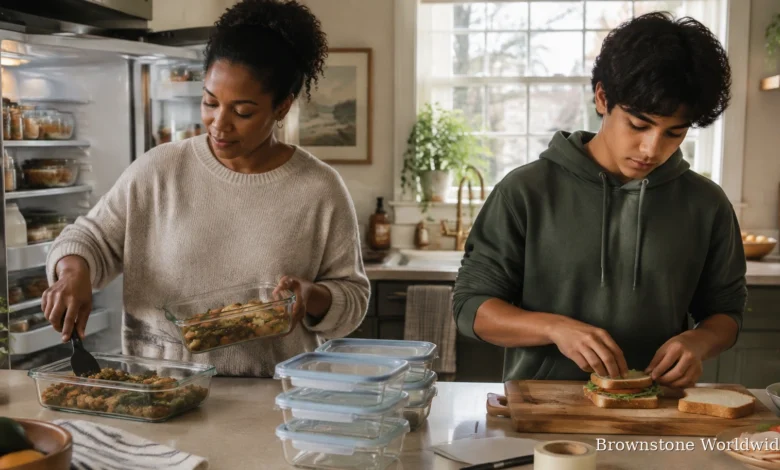
The day after a big meal is its own kind of cooking, and most of us improvise it. There is a refrigerator full of food, a kitchen that already looks tired, and a household that would rather not spend another afternoon at the stove.
A few plain rules make that easier, and they come from federal food safety guidance rather than from habit. Cool leftovers promptly, within about two hours of serving. Put them away in shallow containers so they chill through quickly instead of holding warmth in the middle. Keep the refrigerator cold and the freezer colder. Eat what you can within a few days, and freeze what you cannot.
Those rules sound fussy until you remember what they protect, and how much food a holiday table produces in a single afternoon. A holiday table produces a lot of food at once, and food that sits out through a long afternoon of talking and second helpings has been sitting out for hours. The safest version of the second day is the one where the containers went in early. If something did sit out through the afternoon, the answer is not a longer reheat. It is the bin, and a quiet decision not to argue about it.
The better part is what the second day is for. A pot of soup built from what is already cooked. Sandwiches assembled by whoever is awake. A tray carried next door to the neighbor who spent the holiday alone, or who cooked for everyone else and now has nothing left. Some households make a rule of sending plates out before they sit down themselves.
There is also permission in it. You do not have to cook again. You have to warm things up, put them on a plate, and let somebody else carry the dishes.
What is the one dish that genuinely improves the day after, and who gets the last of it?