

Half Your Brain Stays Awake
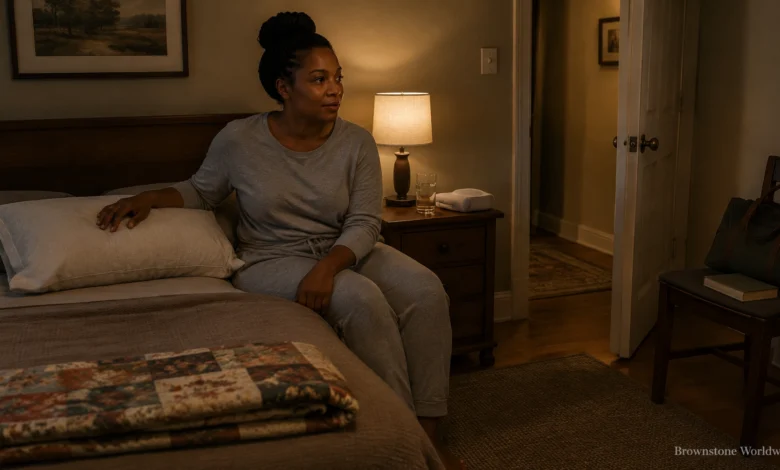
You know the feeling. You have slept in your own bed for years without thinking about it, and then you spend a night in your sister's spare room listening to a clock you have never heard.
There is a name for that, and it is not a character flaw. Sleep researchers call it the first-night effect. When people slept in a lab for the first time, one side of the brain stayed lighter and reacted faster to unfamiliar sounds. The working theory is guard duty, a leftover bit of wiring that keeps you half listening for something in the dark. Your conscious mind knows there is nothing to worry about. The older part of you is not convinced.
That is worth knowing, because most of us blame the bed. We decide we are fussy sleepers and carry it like a failing. The mattress was fine. Your brain was doing its job in a place it had not yet learned to trust.
The guard can be talked down, and none of it costs anything. Walk the room before you turn in. Find the bathroom, work out which switch does what. Bring your own pillow if you can, because your head has fallen asleep on it hundreds of times. Block the little lights, the router, the laptop on standby. Keep the last part of your evening, even shortened, so the night still ends the way your body expects.
If you are the one with the spare room, do the kind thing in advance. Say the quiet hours out loud before people arrive, put the extra blanket where they can find it, and make it easy to admit you sleep badly without sounding like a confession.
Next time you are the guest, tell your host early that you are a light sleeper, then let it go. One poor night will not ruin the visit, and the pressure to fall asleep is the thing guaranteed to keep you up.
Where do you sleep best when you are not at home, and what is it about that room that does it?