A mom “didn’t feel taken seriously” even as her symptoms worsened. Then tests found a rare disease.

Michelle Williams initially brushed off her high blood pressure as a result of stress from juggling motherhood, the COVID-19 pandemic, and home renovations. However, as her symptoms worsened, including swollen feet, fatigue, and frequent bathroom trips, she sought medical help. Her journey to a diagnosis was filled with frustration and uncertainty until she found answers at the Cleveland Clinic.
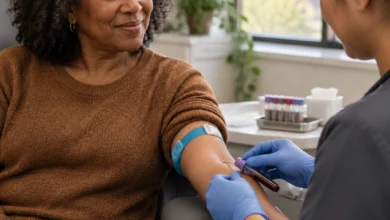
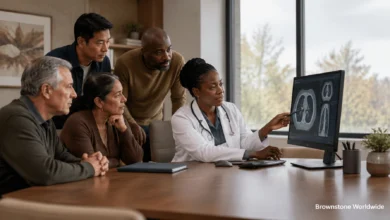
After undergoing various tests and biopsies, Williams was diagnosed with multiple myeloma, a form of blood cancer that was affecting her kidneys. Despite undergoing chemotherapy and immunotherapy, her symptoms persisted, prompting further investigation by Dr. Jagmeet Dhingra, a nephrologist at the Cleveland Clinic.
Eventually, Williams was diagnosed with IC-MPGN, a rare kidney disease related to the immune system. At the time of her diagnosis, there was no specific treatment available for IC-MPGN, leaving patients with a bleak prognosis and limited options for managing their symptoms.
Feeling trapped and unsure of her future, Williams was offered a glimmer of hope when she was invited to participate in a clinical trial for a new medication called pegcetacoplan. The medication showed promising results in treating IC-MPGN and was eventually approved by the FDA, becoming a game-changer for patients like Williams.
Since starting the medication, Williams has experienced significant improvements in her condition. Her swelling has subsided, and she is able to lead a more normal life with less medication and monitoring. The new treatment has given her a sense of freedom and restored her to her feisty self.
Williams’ journey to a diagnosis and effective treatment highlights the importance of persistence, research, and access to innovative therapies. With the support of her healthcare team and the opportunity to participate in a clinical trial, she has regained control over her health and wellbeing.
Overall, Williams’ story serves as a testament to the power of medical advancements and personalized care in transforming the lives of patients with rare and complex conditions. With continued research and innovation, there is hope for improved outcomes and quality of life for individuals facing similar challenges.