FDA Approves First Wearable That Tracks Blood Sugar and Ketones Together
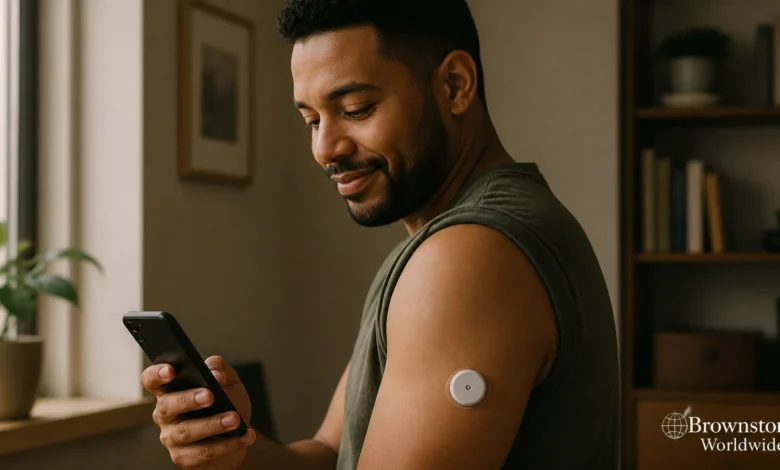
The FDA has authorized Abbott’s Libre Duo 10-Day Continuous Dual Glucose Ketone Monitoring System for people with diabetes ages 2 and older. As UPI reported, it is the first wearable authorized in the United States to continuously monitor ketones: and the first in the world to track ketones and glucose together in one sensor.

The sensor measures glucose and ketones in the fluid beneath the skin every minute, day and night, for up to 10 days. Readings and trend alerts are sent wirelessly to a compatible smartphone. That matters because traditional blood or urine ketone tests provide only a single point-in-time reading. Rising ketones can signal diabetic ketoacidosis, a serious complication explained in Medical Daily’s diabetes coverage.
The device is intended to help users and caregivers recognize concerning changes earlier. Still, ketone readings should be considered alongside glucose levels, symptoms, and guidance from a healthcare professional. A wearable does not replace an individualized diabetes-care plan or emergency care.

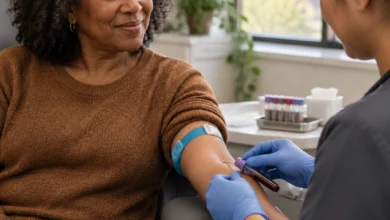
The FDA also cleared Roche’s Elecsys pTau217 blood test to aid in identifying amyloid pathology in adults 55 and older who have signs, symptoms, or complaints of cognitive decline. It is not a stand-alone Alzheimer’s diagnosis; clinicians must interpret results with other medical information.

Together, these developments show how health technology is moving toward earlier, less burdensome monitoring. Brownstone readers can also explore our coverage of FDA-cleared medical devices. Would continuous monitoring make managing diabetes: or beginning a cognitive evaluation( feel more manageable in your neighborhood?)