Future Ready: How Digital Tools Help Older Adults Stay Connected
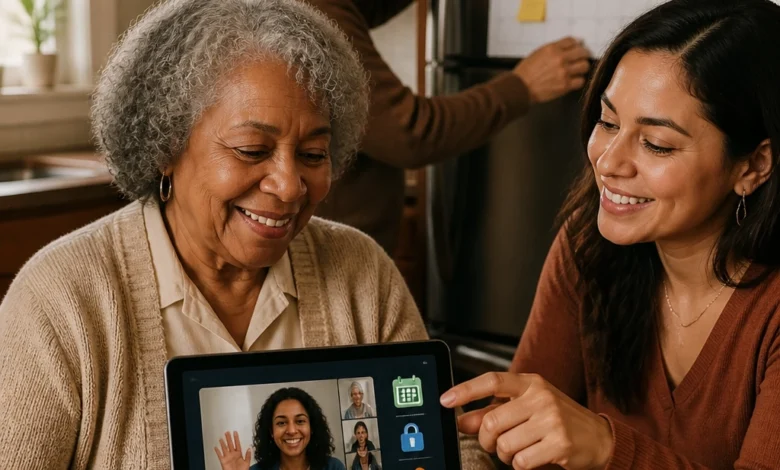
Digital tools are becoming everyday helpers for older adults: not replacements for family, neighbors, or professional support. A tablet can bring relatives into the living room through a video call. A phone can offer a reminder about an appointment or medication schedule. A shared calendar can help everyone stay aware of plans without constant phone calls.
That matters because staying connected is part of staying independent. The right technology can make it easier to maintain relationships, organize daily routines, and ask for help when needed. The U.S. Administration for Community Living highlights accessible technology and digital-literacy resources through its Commit to Connect initiative, while the W3C offers guidance on older users and web accessibility.
Start with the simplest tools. Set up video calling with large icons, saved contacts, and captions if they are helpful. Use medication-reminder apps or built-in alarms as prompts, while following instructions from a doctor or pharmacist. A digital calendar can track appointments, birthdays, transportation, and social activities in one shared place.
Telehealth may also make it possible to connect with a healthcare professional from home, depending on the provider and the person’s needs. Brownstone Worldwide’s NeighborCare Telehealth is part of our broader community-focused ecosystem; it does not replace emergency services or professional medical advice.
Families can make technology more comfortable by creating a 30-minute “tech table.” Increase text size and contrast, turn on captions, review camera and microphone permissions, and enable two-step verification when practical. Keep instructions in large print, and never ask someone to share a password.
What digital task would you most like a neighbor or family member to explain without judgment? Share your tip: and explore more practical stories through Brownstone Worldwide and Brownstone Living Magazine.