Iran war has cost Americans $1,000 per household, economist estimates

The ongoing Iran war has taken a toll on American households, with an estimated cost of $1,000 per household in higher expenses for fuel, food, and other necessities since the conflict began in February. According to Moody’s Analytics chief economist Mark Zandi, the war has led to a surge in inflation, reaching its highest level in three years in May. Despite ongoing talks between the U.S. and Iran to broker a lasting peace deal, military strikes over the weekend have threatened a fragile ceasefire.
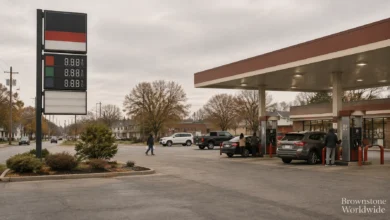
One of the major expenses incurred by Americans due to the war is the cost of gasoline, which peaked at $4.56 a gallon in May. This increase has led to an additional $300 on average spent by households to fill up their tanks since the start of the conflict. Higher diesel costs have also contributed to increased transportation expenses, leading to higher retail prices for groceries. Zandi estimates that the average U.S. household has spent an extra $200 on groceries due to elevated fuel costs.
In addition to higher fuel expenses, American households are facing other war-related costs. These include an estimated $150 increase in interest rates, as the surge in inflation has prevented the Federal Reserve from lowering borrowing costs. Higher airfare costs, due to surging jet fuel prices, have added an estimated $100 on average for travelers. Taxpayer costs to support U.S. military operations in the war against Iran have also amounted to an estimated $250 on average per household.
According to Zandi, the true cost of the Iran war to American households is likely higher than his conservative estimate of $1,000. Other researchers, such as those at Brown University and the Institute on Tax and Economic Policy, have estimated additional costs incurred by consumers. Despite recent relief in gas prices, which are expected to continue declining, the national average remains higher than before the war started.
Patrick De Haan, a petroleum expert at GasBuddy, predicts that gas prices could fall below $3 by the end of the year or early next year if the conflict with Iran is resolved. A Gallup poll in June revealed that two-thirds of Americans have experienced financial hardship due to recent fuel price increases.
As the war continues to impact American households, it is essential for policymakers to consider the economic consequences and work towards a peaceful resolution. The cost of the conflict extends beyond financial burdens, affecting the daily lives and financial stability of millions of Americans.