Morning on the Porch: An October Check on the Alarms Nobody Thinks About
October arrives with cooler mornings, earlier sunsets, National Fire Prevention Week, and the tail end of World Space Week. It is also a good time for one quiet household ritual: checking the safety details that are easy to overlook.
Start With the Sound You Never Want to Meet at 2 A.M.
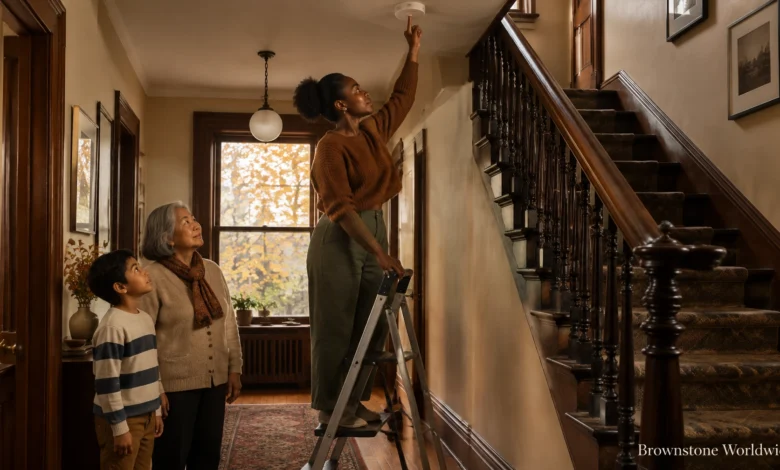
Start with the alarms. Test every smoke alarm and every carbon monoxide alarm in the home, including the ones that seem perfectly fine. The U.S. Fire Administration advises using the test button so you hear the actual alert each unit makes, not just assuming it works because a light is on. That detail matters more than people think. When a house is quiet and everyone is asleep, an unfamiliar sound can cost precious moments while people try to figure out what they are hearing. A quick October check helps make that noise recognizable before it ever becomes urgent. Source: U.S. Fire Administration.
A Working Alarm Is Not the Same as a Ready Alarm
As you test, look at each unit closely. Check the manufacture date and follow the maker’s replacement guidance for the full device, not only the battery. Replace batteries according to the instructions for that alarm, even if the unit still chirps, flashes, or seems to be working. It is also worth confirming placement: there should be alarms on every level of the home and near sleeping areas, and a carbon monoxide alarm anywhere there is a fuel-burning appliance. If an alarm is old, damaged, missing, or placed too far from where people sleep, this is the month to fix it. Source: U.S. Fire Administration.

Keep the Essentials Easy to Reach
Next, make sure everyone knows where the fire extinguisher lives. Check its pressure indicator, seal, condition, and service or replacement date. It should be visible and easy to reach, not tucked behind boxes or furniture. A safety tool does not help much if no one can grab it quickly or if half the household assumes it is stored somewhere else.

Do the Quiet Housework That Prevents Bigger Trouble
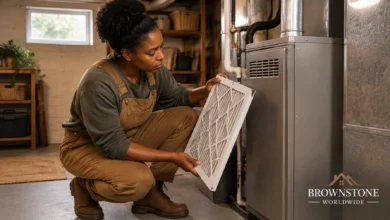
Before heating season settles in, clear lint from the dryer filter, around the appliance, and from the vent area. Keep the space around the furnace or other heating equipment open and free of anything that can burn. If your system needs professional service, schedule it before the first cold snap. These are not dramatic chores, but they are exactly the kind that get skipped until the weather changes and routines speed up.

Practice the Plan Before You Need the Plan
Then ask everyone to say the plan out loud: “What are our two ways out?” Check that doors and windows open easily, choose an outdoor meeting place, and look over extension cords for fraying, cracking, or overloading before holiday devices arrive. Just as important, decide now what happens the moment an alarm sounds: get out, stay out, and meet at the agreed spot outside. Do not stop to search room by room, gather belongings, or try to sort things out from inside the house. Once outside, call for help.
Make It a Neighborhood Habit
That is the real value of an October safety check. It turns a vague good intention into a household habit people can actually follow under stress. If you live with children, older relatives, overnight guests, or anyone who sleeps with doors closed and noise low, that practice matters even more. Talk about it at home, then mention it next door too. One reminder can help another family remember the alarm they have been meaning to test.
For more practical home and community reads, visit brownstoneworldwide.com.