Trump suggests Iran war could last ‘another two weeks,’ ‘maybe three weeks’

President Trump’s recent interview with conservative radio host Hugh Hewitt shed light on the current state of hostilities between the US and Iran. Trump suggested that the conflict could potentially last another two to three weeks, emphasizing that the US military has already made significant advancements in the war.
The President highlighted the military success achieved thus far, noting the destruction of Iran’s naval fleet. He mentioned that the US had taken out eight of Iran’s small, fast ships and emphasized the strategic advantage that the US holds in the conflict.
Despite initial estimates that the war would last around four weeks, the ongoing hostilities have extended for nine weeks. While a cease-fire has been in place since April 8, Trump hinted at the possibility of the conflict continuing for a few more weeks.
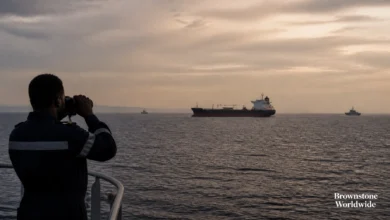
CENTCOM recently reported that two American-flagged merchant ships successfully transited the Strait of Hormuz as part of a new initiative by the Trump administration. Additionally, the US military successfully sank six small boats that were targeting commercial vessels in the region.
In response to US actions, Iran launched nearly two dozen missiles and drones towards the United Arab Emirates. The UAE’s defense ministry intercepted 15 missiles and four drones, with one drone causing a fire at an oil facility in Fujairah. The British military also reported two cargo vessels on fire off the UAE’s coast.
When questioned about the potential for US strikes in response to Iran’s attacks, Trump remained ambiguous, stating that he could not provide a definitive answer. He emphasized the complexity of the situation and the need for strategic decision-making in leading the United States.
The ongoing conflict between the US and Iran continues to unfold, with both sides engaging in military actions and counteractions. As tensions persist, the future of the conflict remains uncertain, with potential implications for regional stability and international relations.