Iran Issues Six New Conditions for Strait of Hormuz Reopening Amid UAE Tanker Accusations
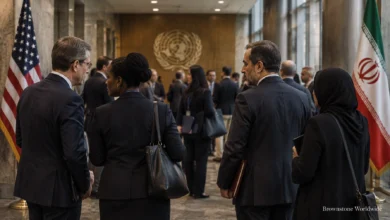
Iran has tied the full reopening of the Strait of Hormuz to six demands directed at the United States, according to Al Jazeera’s report. Tehran says Washington must end threats and attacks against Iran and its regional allies, withdraw U.S. naval and air forces from the area, lift the alleged naval blockade of Iranian ports, compensate Iran for wartime damage, remove sanctions, and release frozen Iranian assets.
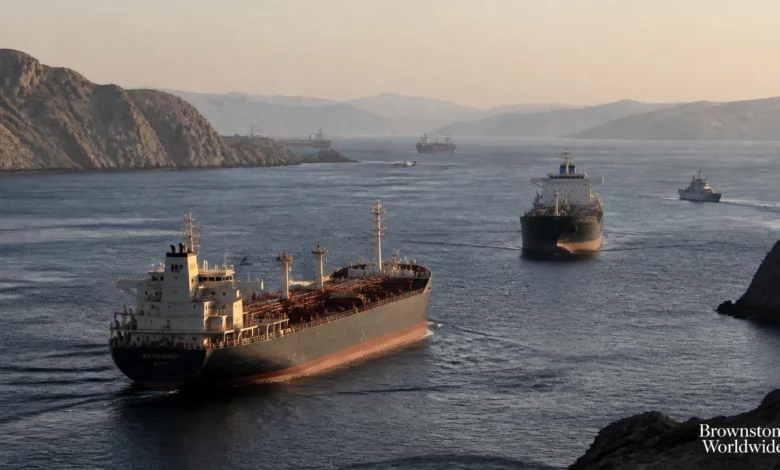
The announcement came as the UAE accused Iran of striking an ADNOC oil tanker with a missile while it was crossing the strait. The UAE said no casualties were reported, while describing the incident as a hostile act and a threat to freedom of navigation. Iran has not accepted responsibility for the accusation.
The dispute matters well beyond the Gulf. The Strait of Hormuz is a critical route for global oil and liquefied natural gas shipments. Any prolonged disruption can raise transportation costs, increase energy-market uncertainty, and affect fuel prices and household budgets far from the region.
For consumers, the immediate takeaway is to watch verified updates rather than assume that negotiations mean normal shipping has resumed. Energy prices, insurance costs, and delivery schedules may shift if commercial traffic remains restricted.
Neighbor-to-neighbor, the best next step is practical: follow reliable reporting, avoid sharing unverified videos or claims, and review household budgets for possible changes in fuel and transportation costs. Brownstone Worldwide will continue tracking developments across World News as officials clarify whether Oman-mediated talks can produce a temporary arrangement.
What do you think should come first: reopening the waterway through a limited shipping agreement, or resolving the wider political demands before commercial traffic resumes?