Shifting Alliances: US Substantially Reduces Military Drills With South Korea
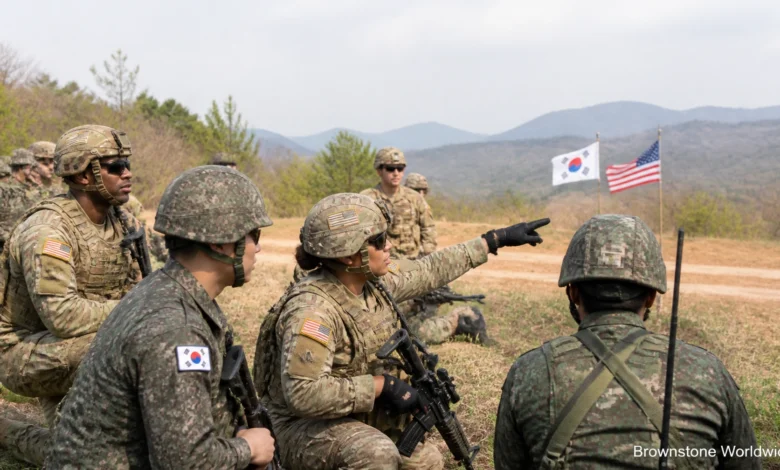
President Donald Trump has instructed the Pentagon to “substantially reduce” joint military exercises with South Korea, citing the cost of the drills and Seoul’s refusal to participate in U.S. actions against Iran, according to Reuters.
The order arrives as the annual Ulchi Freedom Shield exercise begins. South Korean and U.S. forces say the 11-day training event is proceeding, although some field exercises have already been reduced or postponed. The allies describe the drills as defensive preparations for North Korean threats, including cyberattacks, drone activity and GPS disruption.

That distinction matters. Trump’s directive does not immediately cancel the current exercise, but it signals a possible change in how Washington views military readiness on the Korean Peninsula. The decision also ties the long-standing alliance more directly to cost-sharing and South Korea’s cooperation with broader U.S. foreign-policy priorities.
North Korea has repeatedly called the drills invasion rehearsals and has responded to recent exercises with hostile statements and missile activity. Washington and Seoul, meanwhile, say regular training helps both militaries coordinate during a crisis. The tension is reflected in the fact that the exercises continue even as their future scale is questioned.

For people following developments in the region, the key questions are whether future drills will be canceled, spread across the year or redesigned to rely more heavily on simulations. Any change could affect deterrence, diplomatic efforts with North Korea and confidence between the two allied governments.
Readers can follow verified updates through Brownstone Worldwide and compare reporting from The Associated Press. How should allies balance military readiness, public expense and diplomatic space? Share your perspective with the Brownstone community.