The Neighborhood Garden Movement: How Dirt and Seeds Are Bringing Communities Together
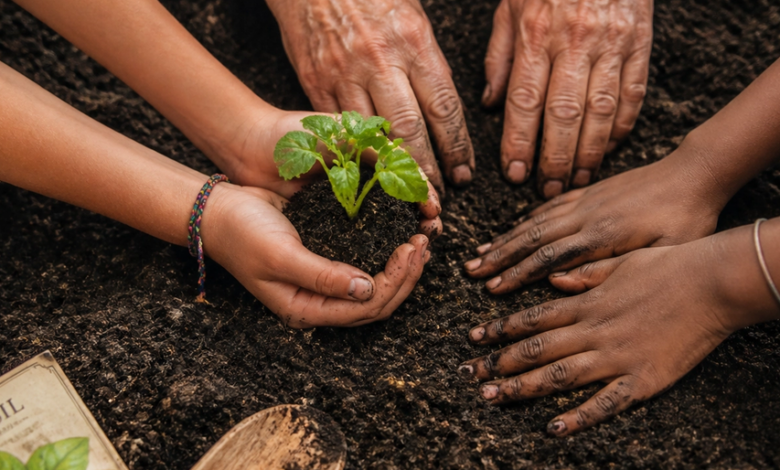
Across the country, a quiet revolution is taking root. It’s not happening in boardrooms, but in the untended corners of our cities: vacant lots and borrowed backyards that are being transformed into vibrant hubs of life and connection.
Reclaiming the Land
In Pittsfield, Ricardo Reeves looked at a trash-strewn vacant lot and saw potential. He didn’t just plant vegetables; he planted a destination. Today, Love’s Garden is a neighborhood gathering place where residents swap stories as often as they swap tomatoes.

Further west local women are building. For her, the soil is about more than hobbyism: it’s about resilience. “Gardens, baby: that’s how we survive,” she says, reflecting a growing movement of people reclaiming their food security through shared effort.

Borrowed Beauty
In Memphis, flower farmer Marisa Mender-Franklin took a different approach. She asked 40 strangers if she could grow flowers in their yards. Those borrowed spaces became a thriving business, turning suburban lawns into local bouquets and proving that community trust can bloom anywhere.

Start Your Own Patch
You don’t need an acre to make an impact. The neighborhood garden movement thrives on small starts:
- Find Your Land: Look for underused spaces or ask a neighbor to share a corner.
- Invite the Neighbors: Gardens grow better with extra hands.
- Start Small: Focus on hardy crops like greens, radishes, or zinnias.
- Share the Harvest: The real magic happens when the bounty is shared over the fence.

At Brownstone Worldwide, we believe that real connection starts right on your front porch. Whether you’re planting seeds or just stopping by to chat, you’re building the neighborhood we all want to live in.